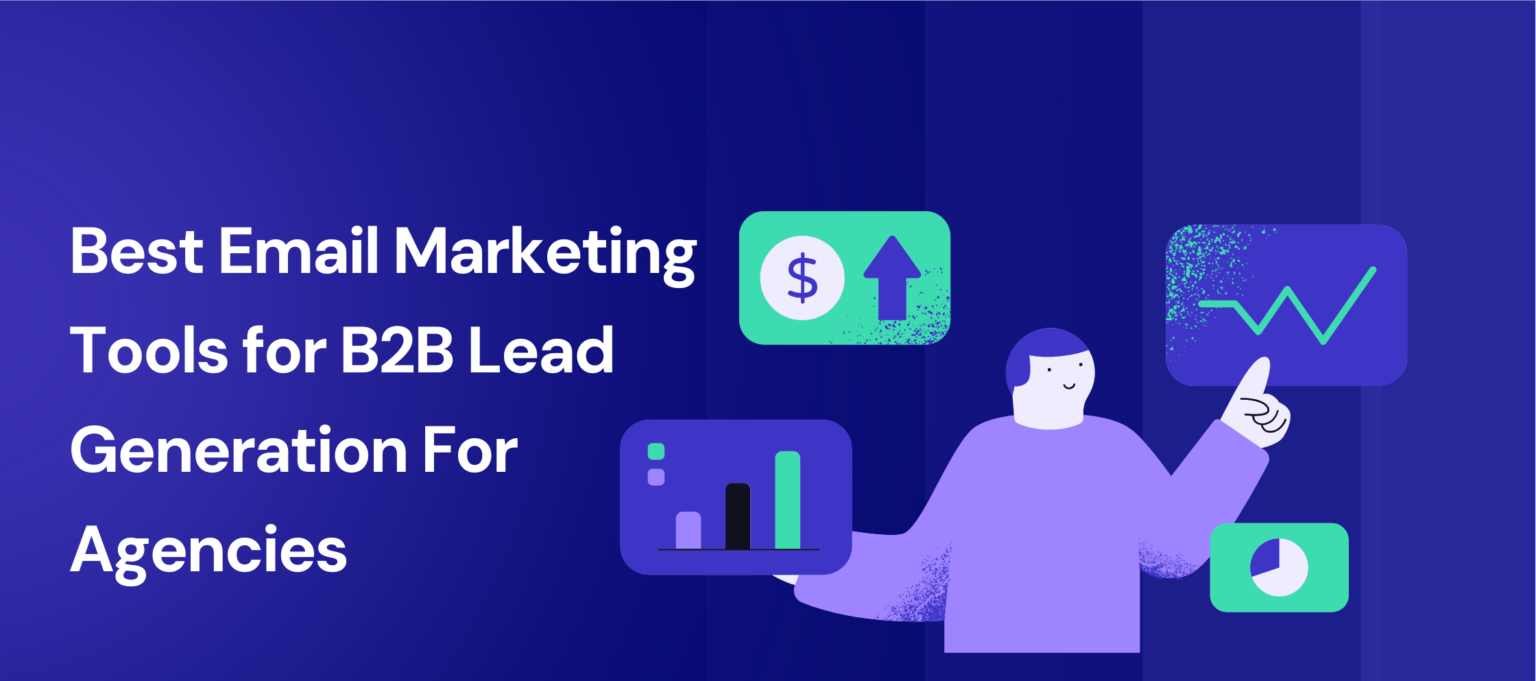

The digital landscape in late 2025 has shifted toward hyper-personalization and agentic artificial intelligence. For modern businesses, identifying the right tools to navigate this complex environment is no longer a luxury but a fundamental necessity for survival. As of Thursday, December 18, 2025, the competition among software providers has reached a fever pitch, with each platform racing to integrate advanced machine learning models that do more than just send messages. These tools now predict buyer intent, automate entire sales sequences, and manage multi-channel journeys with minimal human intervention.
- The Evolution of B2B Email Marketing in 2026
- HubSpot Marketing Hub: The Enterprise Powerhouse
- Salesforce Marketing Cloud: Data Driven Excellence
- ActiveCampaign: The Automation Specialist
- Apollo.io: The Prospecting Revolution
- Brevo: The Multi-Channel Utility
- Strategic Comparison Table for 2026 Decisions
- Advanced Tactics for B2B Lead Nurturing in 2026
- Account-Based Marketing (ABM) Workflows
- Generative AI and Dynamic Copytesting
- Zero-Party Data Collection
- Technical Optimization and Deliverability
- The Future of B2B Email: What to Expect in 2026 and Beyond
- Conclusion
In the realm of B2B lead generation, the stakes are significantly higher than in the consumer market. Sales cycles are longer, decision-makers are more numerous, and the average contract value requires a level of trust that can only be built through consistent, high-value communication. This article provides a comprehensive analysis of the top-performing platforms currently dominating the market, offering deep insights into their features, pricing, and specific advantages for enterprise-level growth.
The Evolution of B2B Email Marketing in 2026
Before diving into the specific platforms, it is crucial to understand the strategic shifts that have defined the current year. The traditional marketing qualified lead is increasingly viewed as an outdated metric. In its place, companies are focusing on account-based engagement and buying committee identification. Modern platforms must be able to track not just a single person but the entire ecosystem of an organization.
Furthermore, deliverability has become a battlefield. With the full implementation of strict authentication protocols like BIMI and DMARC across all major providers, the technical health of your sending domain is paramount. The platforms listed below have been selected specifically for their ability to maintain high reputation scores while delivering complex, data-heavy content to sophisticated audiences.
HubSpot Marketing Hub: The Enterprise Powerhouse
HubSpot continues to hold its position as the industry leader for integrated marketing solutions. In December 2025, their latest updates to the Breeze AI suite have made it possible for small teams to execute enterprise-level strategies. HubSpot is not merely an email tool, it is a comprehensive revenue operations ecosystem that aligns sales, marketing, and service departments under a single source of truth.
Key Features for Lead Generation
The platform excels in its ability to connect anonymous website visits to known CRM records. Its predictive lead scoring models now leverage generative AI to analyze over 200 data points, allowing marketers to prioritize accounts that are showing active interest. The visual automation builder is the most intuitive in the industry, enabling the creation of branching logic that responds to specific behaviors such as white paper downloads or webinar attendance.
Pricing and Scalability
HubSpot offers a tiered pricing model that begins with a robust free version, though serious B2B operations will require the Professional or Enterprise tiers. The Professional tier typically starts around 800 USD per month, while the Enterprise version, which includes advanced features like multi-touch revenue attribution and custom objects, starts at approximately 3,600 USD per month. While the cost is significant, the return on investment is often realized through the consolidation of multiple point solutions into one platform.
Pros and Cons
One of the primary advantages of HubSpot is its ease of use. The user interface is designed for marketers rather than developers, which significantly reduces the time to market for new campaigns. However, the cost can escalate quickly as your database grows, making it essential to maintain strict data hygiene.
Source: HubSpot Official Site
Salesforce Marketing Cloud: Data Driven Excellence
For global enterprises requiring massive scale and deep data customization, Salesforce remains the gold standard. With the recent launch of Agentforce in late 2025, Salesforce has integrated autonomous agents that can manage entire customer lifecycles. This platform is designed for organizations that treat data as their most valuable asset and require a system that can handle millions of complex interactions simultaneously.
Advanced Integration and AI
The strength of Salesforce lies in its integration with the broader Salesforce ecosystem. The Marketing Cloud Account Engagement, formerly known as Pardot, is specifically tailored for B2B needs. It offers advanced search engine optimization tools, detailed competitor analysis, and a sophisticated lead grading system. The AI engine, Einstein, provides real-time recommendations on content strategy and send-time optimization, ensuring that your messages reach the inbox when the prospect is most likely to engage.
Technical Requirements
Unlike HubSpot, Salesforce often requires dedicated administrative support or a specialized agency to manage. The learning curve is steep, and the implementation process can take several months. However, for companies with complex sales structures and global footprints, the level of control and reporting offered is unmatched.
Cost Structure
Pricing for Salesforce is often opaque and highly negotiable based on the volume of records and the specific modules required. Generally, an enterprise-level setup can range from 1,250 USD to over 15,000 USD per month depending on the depth of the data cloud integration and the use of advanced AI features.
Source: Salesforce Marketing Cloud
ActiveCampaign: The Automation Specialist
ActiveCampaign has carved out a massive market share by offering advanced automation features that were once only available to enterprise giants. In 2025, they have focused heavily on what they call customer experience automation, which blends email marketing with CRM and machine learning.
Dynamic Content and Personalization
The platform is renowned for its ability to deliver hyper-personalized content. You can change specific sections of an email based on the recipient’s industry, past purchases, or even their recent interactions with your website. This level of granularity is essential for B2B lead generation, where a one-size-fits-all approach often leads to high unsubscribe rates.
Value Proposition
ActiveCampaign is particularly attractive for mid-market companies that need powerful automation without the five-figure monthly price tag. Their deliverability rates are consistently among the highest in the industry, a critical factor for B2B outreach where being flagged as spam can ruin a potential partnership.
Pricing Tiers
The pricing for ActiveCampaign is more accessible than the enterprise leaders. The Plus plan starts around 49 USD per month for small teams, while the Enterprise plan, which includes custom reporting and a dedicated account manager, starts at roughly 259 USD per month. This makes it an ideal choice for growing SaaS companies and professional service firms.
Source: ActiveCampaign
Apollo.io: The Prospecting Revolution
Apollo.io has fundamentally changed how B2B companies think about lead generation. By combining a massive B2B database with a built-in email sending platform, they have eliminated the friction between finding a lead and starting a conversation.
Integrated Lead Intelligence
In December 2025, Apollo’s database covers over 275 million contacts across 60 million companies. The platform allows you to filter leads by recent funding rounds, technology stack, and even specific job changes. This intent data is a goldmine for sales teams looking to strike while the iron is hot. Their automated sequences can include both email and LinkedIn touches, creating a cohesive multi-channel strategy.
Efficiency and Speed
The platform is designed for high-velocity sales. Its built-in dialer and task management system mean that sales representatives can spend more time talking to prospects and less time researching them. The AI writing assistant can also generate personalized opening lines based on the prospect’s recent LinkedIn activity or company news.
Costs and Credits
Apollo uses a credit-based system for exporting data. The Professional plan starts at 79 USD per month, offering unlimited email sending and a significant number of mobile number credits. For larger teams, the Organization plan provides advanced security features and deeper integrations with CRMs like Salesforce and HubSpot.
Source: Apollo.io
Brevo: The Multi-Channel Utility
Brevo, formerly known as Sendinblue, has evolved into a versatile platform that handles email, SMS, and WhatsApp communication. This is particularly relevant in 2025, as B2B buyers increasingly move toward mobile-first communication channels.
Transactional and Marketing Synergy
One of Brevo’s unique selling points is its ability to handle both marketing campaigns and transactional emails through the same infrastructure. This ensures that your brand voice remains consistent across all touchpoints, from the first nurturing email to the final invoice notification. Their CRM is lightweight but effective for teams that do not require the complexity of a full HubSpot setup.
International Reach
Brevo is a favorite for companies operating in Europe and other regions with strict data privacy laws. They have built their reputation on being fully GDPR compliant and offering excellent support in multiple languages. Their pricing is unique in that it is based on the number of emails sent rather than the number of contacts in your database, which can be a massive cost saver for businesses with large lists that send infrequently.
Pricing Highlights
Brevo offers a very generous free tier that allows for 300 emails per day. The Starter plan begins at 9 USD per month, while the Business plan, which includes marketing automation and multi-user access, starts at around 18 USD per month. For enterprise needs, they offer custom pricing that includes dedicated account management and advanced security protocols.
Source: Brevo Official Site
Strategic Comparison Table for 2026 Decisions
| Platform | Best For | Key Strength | Starting Price (Est.) |
| HubSpot | Scaling Mid-Market to Enterprise | Unified CRM & Marketing | 800 USD / Month |
| Salesforce | Global Enterprise & Data Heavy | Massive Scalability & AI | 1,250 USD / Month |
| ActiveCampaign | Automation-Focused SMBs | Advanced CX Automation | 49 USD / Month |
| Apollo.io | Outbound Sales & Cold Outreach | Integrated Lead Database | 79 USD / Month |
| Brevo | Multi-channel & Transactional | Cost-Effective Sending | 9 USD / Month |
Advanced Tactics for B2B Lead Nurturing in 2026
To truly succeed in the current market, simply choosing a platform is not enough. You must implement advanced strategies that leverage the technical capabilities of these tools.
Account-Based Marketing (ABM) Workflows
The most successful B2B marketers are no longer targeting individual leads. They are targeting accounts. By using the account-based marketing features in platforms like HubSpot and Salesforce, you can trigger specific advertisements and email sequences when multiple people from the same company visit your pricing page. This ensures that you are surrounding the buying committee with consistent messaging.
Generative AI and Dynamic Copytesting
The days of simple A/B testing are over. In 2026, top-tier platforms allow you to use generative AI to create dozens of variations of a subject line or body copy. The system then automatically rotates these variations, using machine learning to determine which version performs best for specific industries or job titles. This level of automated optimization can lead to a 25 to 30 percent increase in click-through rates.
Zero-Party Data Collection
With the increasing difficulty of tracking users across the web, first-party and zero-party data have become essential. Modern email platforms now include interactive elements like quizzes, polls, and surveys directly within the email body. By encouraging subscribers to share their preferences and pain points directly, you can build a more accurate profile of your audience without relying on third-party cookies.
Technical Optimization and Deliverability
As of late 2025, the technical requirements for email marketing have reached a new level of complexity. To ensure your lead generation efforts are not wasted, you must focus on the following pillars of deliverability.
BIMI and Brand Recognition
Brand Indicator for Message Identification (BIMI) allows your company logo to appear next to your email in the recipient’s inbox. This not only increases trust but has been shown to improve open rates by up to 10 percent. Implementation requires a valid DMARC policy at the enforcement level, a task that platforms like Salesforce and HubSpot now guide users through via automated checklists.
Dark Mode Compatibility
With over 60 percent of B2B professionals viewing emails on mobile devices or in dark mode environments, your design must be adaptive. Modern email builders now offer native dark mode previews, ensuring that your text remains legible and your images do not have awkward white borders when viewed against a dark background.
Accessible Design Standards
In mid-2025, new accessibility regulations came into effect globally. This means your emails must include proper alt-text for all images, high-contrast ratios for text, and logical heading structures that can be read by screen readers. Beyond legal compliance, accessible design ensures that your message reaches the widest possible audience, regardless of their physical abilities or the devices they use.
The Future of B2B Email: What to Expect in 2026 and Beyond
As we look toward the next year, several emerging trends are set to redefine the industry once again.
Agentic AI Workflows
We are moving past simple automation toward agentic workflows. These are AI agents that can not only send emails but can also research a prospect’s recent annual report, summarize their key business challenges, and write a completely bespoke outreach message that addresses those specific needs. Platforms like HubSpot and Salesforce are already rolling out early versions of these agents in late 2025.
Integration of Video and Interactive Elements
Static emails are becoming less effective. The integration of short-form video and interactive tools like ROI calculators directly within the inbox is becoming a standard practice. These elements keep the user engaged within the email itself, reducing the friction required to get them to a landing page.
Focus on Ethical Data Usage
As AI becomes more pervasive, the ethical use of data will become a major brand differentiator. Companies that are transparent about how they use AI to personalize their communication and that offer clear, easy-to-use opt-out mechanisms will build deeper trust with their audience.
Conclusion
Choosing the best email marketing platform for B2B lead generation depends heavily on your company’s size, technical resources, and specific sales strategy. Whether you opt for the all-in-one power of HubSpot, the enterprise scalability of Salesforce, or the specialized prospecting tools of Apollo, the key is to prioritize data integration and hyper-personalization.
As we conclude 2025, the most successful businesses will be those that view email not as a standalone channel, but as the connective tissue of their entire revenue operation. By leveraging the advanced AI and automation features of these top-tier platforms, you can build a sustainable pipeline of high-quality leads that will drive your growth well into 2026.